AI Agents in B2B Enterprise Automation: Architecture
Discover how Artificial Intelligence Agents and Multi-Agent Systems are transforming corporate operations. A technical guide for CTOs on implementation, security, and ROI in B2B environments.
Hassle-free automation?
Checklist: 10 Steps to Digitize Your Plant
Avoid costly implementation errors
The Paradigm Shift: From Passive AI to Agentic AI in the B2B Environment #
Over the last few years, the adoption of Artificial Intelligence in the B2B sector has primarily focused on Large Language Models (LLMs) that act passively: they receive a prompt, generate a response, and stop. However, the true corporate turning point, which is redefining operational efficiency on a global scale, is the emergence of Artificial Intelligence Agents (AI Agents).
Unlike traditional chatbots, an AI agent is endowed with autonomy. It is an advanced software system capable of reasoning, planning, utilizing external tools (such as APIs, databases, and CRMs), and executing complex sequences of actions to achieve a business objective without constant human intervention. For companies handling highly complex processes, the transition from manual workflows to agentic workflows represents a massive competitive advantage.
Technical Architecture of an Enterprise AI Agent #
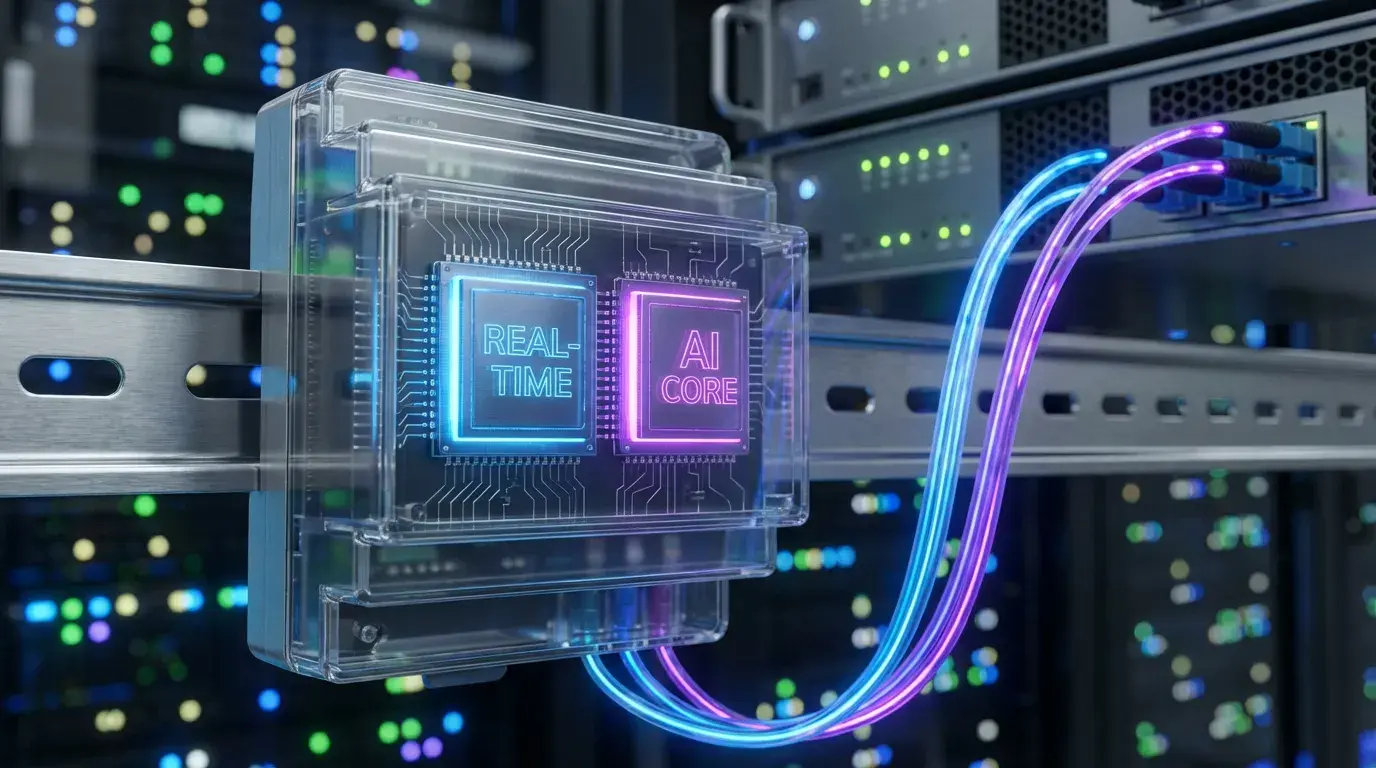
To understand how these systems can transform a B2B enterprise, it is imperative to break down their technical architecture. An agent is not simply a foundational model; it is an orchestration of multiple technological components operating in symbiosis.
1. The Reasoning Engine (Core LLM)
The core of any agent is a state-of-the-art foundational model. In enterprise environments, the goal is not just text generation, but the ability to execute complex logic through paradigms such as ReAct (Reasoning and Acting) or Chain of Thought. The model evaluates the current state, decides what action to take next, and processes the outcome of that action.
2. Memory Systems: Short and Long-Term Context
An effective B2B agent requires historical and situational context:
- Short-Term Memory: Manages the conversational history or the immediate execution trace of the current process. It is temporarily stored in application caches or fast in-memory databases like Redis.
- Long-Term Memory: Utilizes vector databases (such as Pinecone, Milvus, or Qdrant) combined with RAG (Retrieval-Augmented Generation) techniques. It allows the agent to remember interactions from weeks prior, query the company's historical document corpus, and semantically retrieve operational regulations.
3. Tool Integration (Function Calling / Tool Calling)
The ability to interact with the real world is what defines an agent. By using OpenAPI specifications and integrated function calling, the agent can communicate bidirectionally with existing B2B infrastructure:
- Query and update records in Salesforce or HubSpot.
- Execute complex SQL queries on Snowflake or PostgreSQL databases.
- Manage and triage support tickets in Jira or Zendesk.
- Issue critical notifications via Slack, Microsoft Teams, or email.
Real-World Use Cases: Agentic Automation in B2B Operations #
The deployment of AI agents is already demonstrating extraordinary Return on Investment (ROI) across various business sectors. Below, we explore the most high-impact applications.
Supply Chain and Logistics Automation
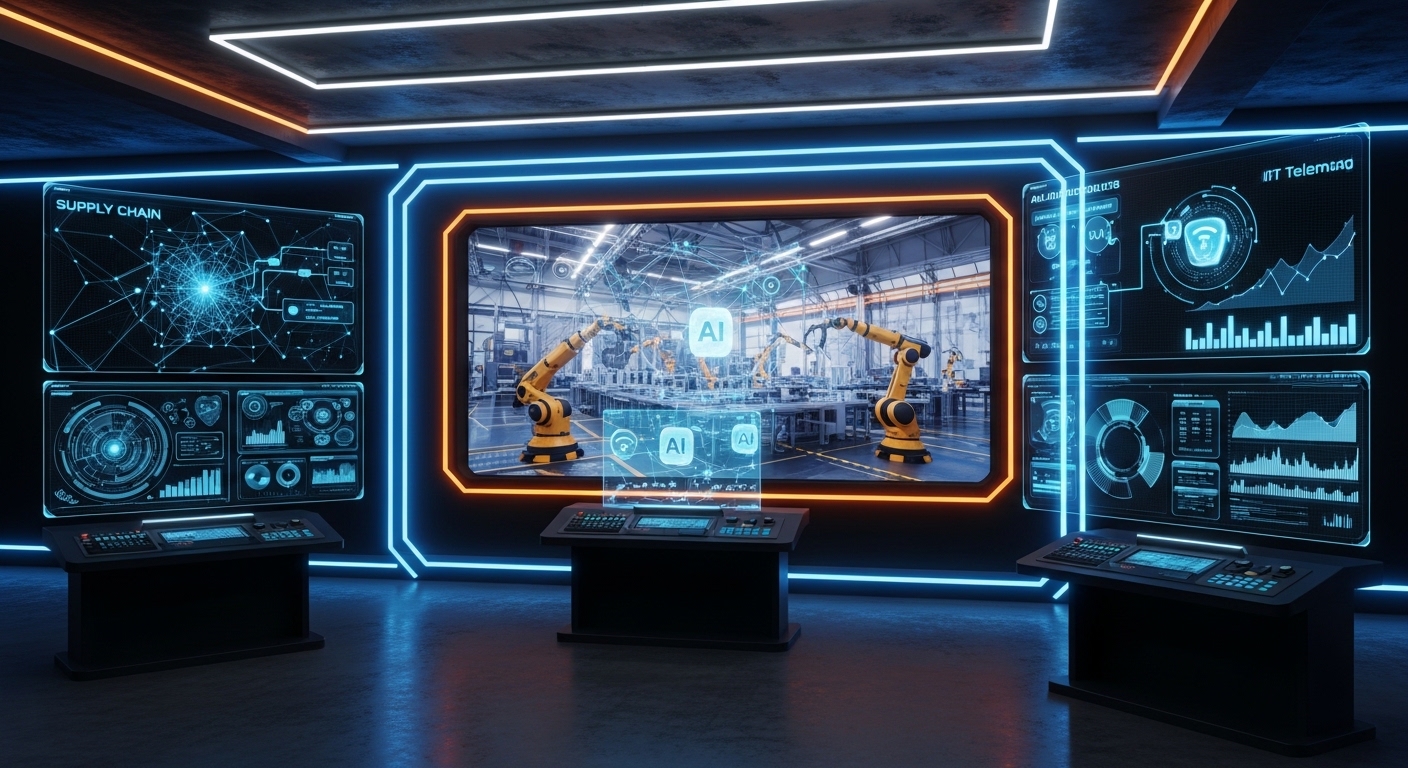
Global supply chains are plagued with unpredictable variables. A specialized AI agent can monitor real-time data feeds (weather patterns, maritime traffic, geopolitical news) and cross-reference this information with the ERP inventory. If it detects a potential delay in the delivery of critical raw materials, the agent does not merely alert the team; it can automatically evaluate alternative suppliers, send preliminary Requests for Quotation (RFQs), and propose a mitigation plan on the logistics manager's dashboard.
Fully Autonomous L1 and L2 IT Support Resolution
In the B2B sector (e.g., an enterprise SaaS company), technical support often requires deep analysis of system logs and client configurations. An advanced support agent can receive a ticket, query the client's telemetry database, diagnose the issue by cross-referencing error logs with engineering documentation via RAG, and, if properly permissioned, execute self-healing scripts through a secure sandbox environment. If the task exceeds its confidence threshold, it escalates a detailed technical report (with solution hypotheses) to a human engineer (Level 3).
Hyper-Personalized B2B Sales and Prospecting
B2B sales cycles are long and require multiple touchpoints. AI Sales Development Representatives (SDRs) can automatically research the organizational structure of a target enterprise, read their latest financial reports and press milestones, and identify the ideal decision-maker. With this deep context, they draft and execute highly contextualized and personalized email outreach campaigns, dynamically adapting replies based on prospect interaction and scheduling meetings directly on the human sales team's calendar.
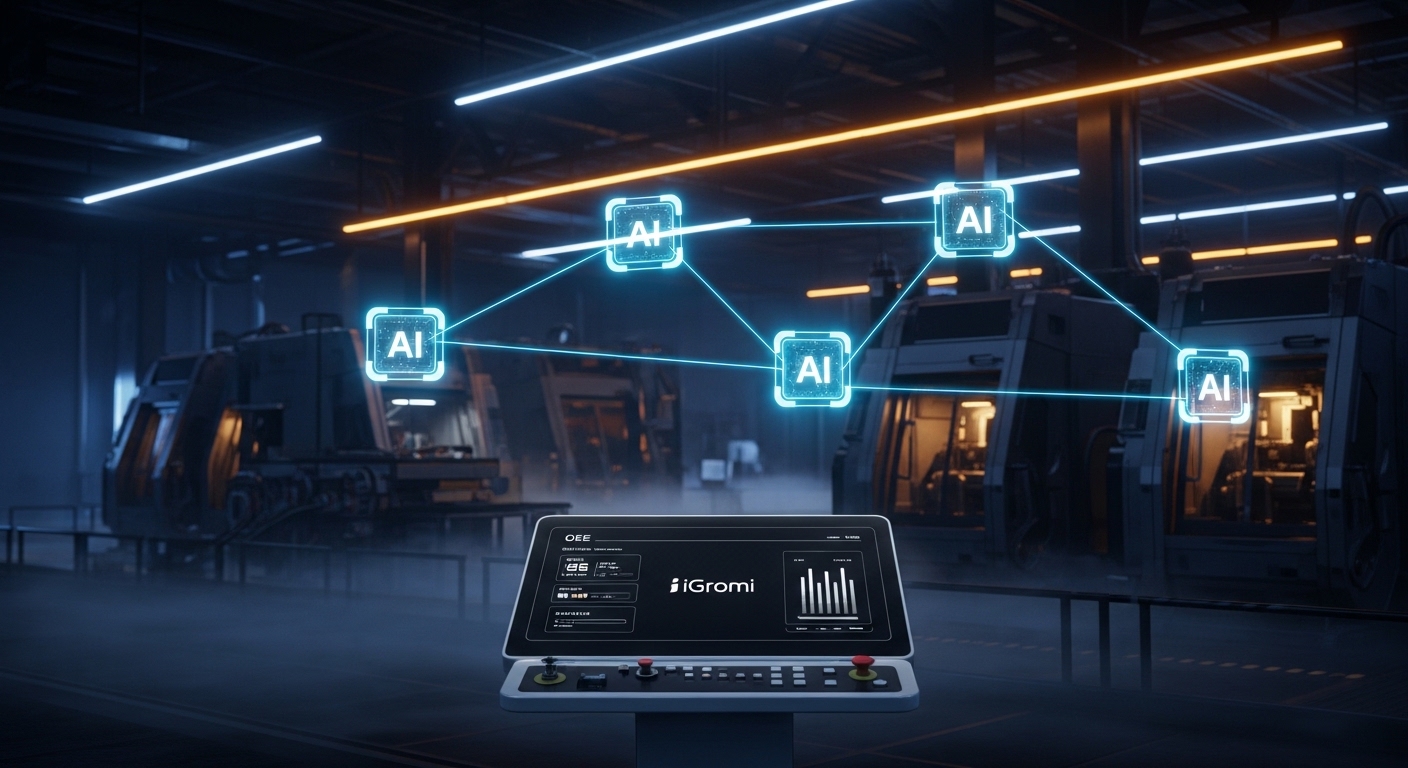
Digitize your Plant with iGromi
Book a 30-min demo and discover how to increase your productivity.
Multi-Agent Systems (MAS): The Next Level of Operational Scale #
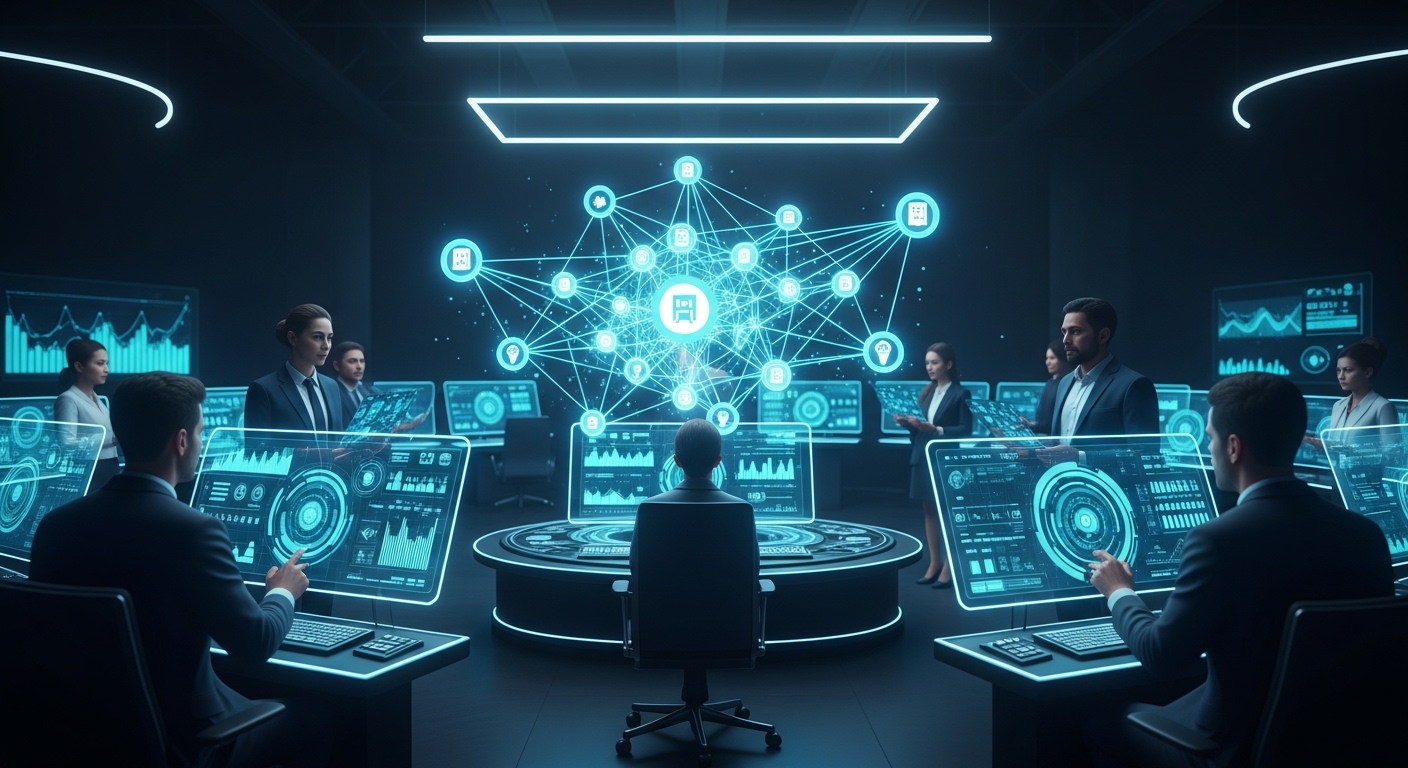
The most recent progress in this field is not limited to creating a single super-powered agent, but orchestrating Multi-Agent Systems (MAS). Utilizing frameworks like LangGraph or AutoGen, organizations are designing workflows where different specialized agents collaborate with one another.
Imagine an enterprise contract auditing process. In a corporate MAS setup:
- The Reader Agent: Scans and extracts clauses from thousands of pages of a PDF contract.
- The Legal Analyst Agent: Compares the extracted clauses against the corporate Compliance policy looking for discrepancies or liability risks.
- The Financial Agent: Evaluates payment terms and penalty clauses to calculate the potential impact on cash flow.
- The Supervisor Agent: Compiles the findings from the previous agents, consolidates a unified executive report, and presents the final recommendations to the board of directors.
Secure Implementation Guide for CTOs (Enterprise Readiness) #
Deploying autonomous agents in B2B environments carries inherent risks if robust safeguards are not implemented. Technology leaders must prioritize a secure-by-design architecture.
1. Data Privacy and Isolated Environments (VPC)
Corporate proprietary data must never feed public models. The agentic infrastructure must be deployed within the organization's Virtual Private Cloud (VPC), utilizing dedicated instances of LLMs (or locally hosted optimized open-source models like Llama 3) that strictly comply with regulations such as SOC2, GDPR, and HIPAA. Vector databases must implement Row-Level Security (RLS) to ensure the agent only retrieves documents that the user initiating the request has permission to view.
2. The Human-in-the-Loop (HITL) Approach
Immediate total autonomy is neither recommended nor desirable for high-stakes financial or legal tasks. The best practice is to implement Human-in-the-Loop workflows. The agent plans the execution and prepares it, but before invoking an API that modifies a production system (e.g., making a bulk payment, signing a contract, or altering a core database), the system enters a pause state and requires explicit approval (a click or review) from an authorized human operator.
3. Agent Observability and Auditing
Since AI agents dynamically generate their own action plans, traditional software monitoring methods are insufficient. It is imperative to integrate LLMOps platforms (like LangSmith or Phoenix) that provide deep observability. Engineers must be able to audit the complete trace of every agent: what tools it attempted to call, what the exact input/output of the API call was, how it structured its internal reasoning at each step, and why it made a specific decision when faced with an anomaly.
Conclusion: The Future of Corporate Work #
The integration of AI Agents into the B2B ecosystem is not merely a cost-reduction tool; it is a multiplier of cognitive capabilities. Organizations that lead the adoption of automated agentic workflows and multi-agent systems will experience unprecedented agility, scaling operations that previously required years of headcount expansion in just a few months. At iGromi, we are at the forefront of this revolution, designing secure and intelligent architectures to empower the enterprises of tomorrow.
Frequently Asked Questions about AI Agents in B2B #
What is the difference between RPA (Robotic Process Automation) and an AI Agent?
Traditional RPA follows static, deterministic rules based on pre-programmed flows (If-Then). If the interface or data format changes, the RPA bot breaks. An AI Agent, conversely, is probabilistic and adaptable. If it encounters an error, it has the ability to read the error message, reason about the cause, and try an alternative path to achieve the goal.
Which language models are best for agentic tasks?
For complex decision-making, large-scale models like GPT-4o, Claude 3.5 Sonnet, or Gemini 1.5 Pro are the industry standard due to their exceptional logical reasoning and precision in Function Calling. However, for highly specialized agents handling niche tasks, fine-tuned open-source models can deliver superior results at a much lower computational cost.
How do you prevent 'hallucinations' in B2B systems?
Hallucinations are mitigated by limiting the model's creativity (setting low temperatures) and forcing the agent to ground all its responses and actions strictly in the corporate database through an optimized RAG architecture. Additionally, strict type validations on tool inputs and outputs (like Pydantic schemas) and secondary evaluator agents (Critic Agents) that verify the main agent's accuracy before final execution are implemented.