Best Predictive Maintenance Software 2026: CMMS vs Edge AI Compared
We compare the categories of predictive maintenance software available in 2026 — from cloud CMMS platforms to Reliability Centered Maintenance (RCM) architectures with Edge AI — and why latency matters more than you think.

Hassle-free automation?
Checklist: 10 Steps to Digitize Your Plant
Avoid costly implementation errors
What makes predictive maintenance software good in 2026? #
Choosing predictive maintenance software is no longer just about comparing license prices. Industrial plants trying to reduce their maintenance backlog and improve operational reliability run into three very different product categories, and confusing them gets expensive.
1. Classic CMMS (Work Order Management)
A CMMS (Computerized Maintenance Management System) centralizes work orders, spare parts inventory, and preventive maintenance schedules. It's the right software if your problem is organizational — coordinating crews, tracking failure history, passing ISO 55000 audits. But a CMMS on its own predicts nothing: it only documents what already happened or what's scheduled.
2. Condition Monitoring Platforms
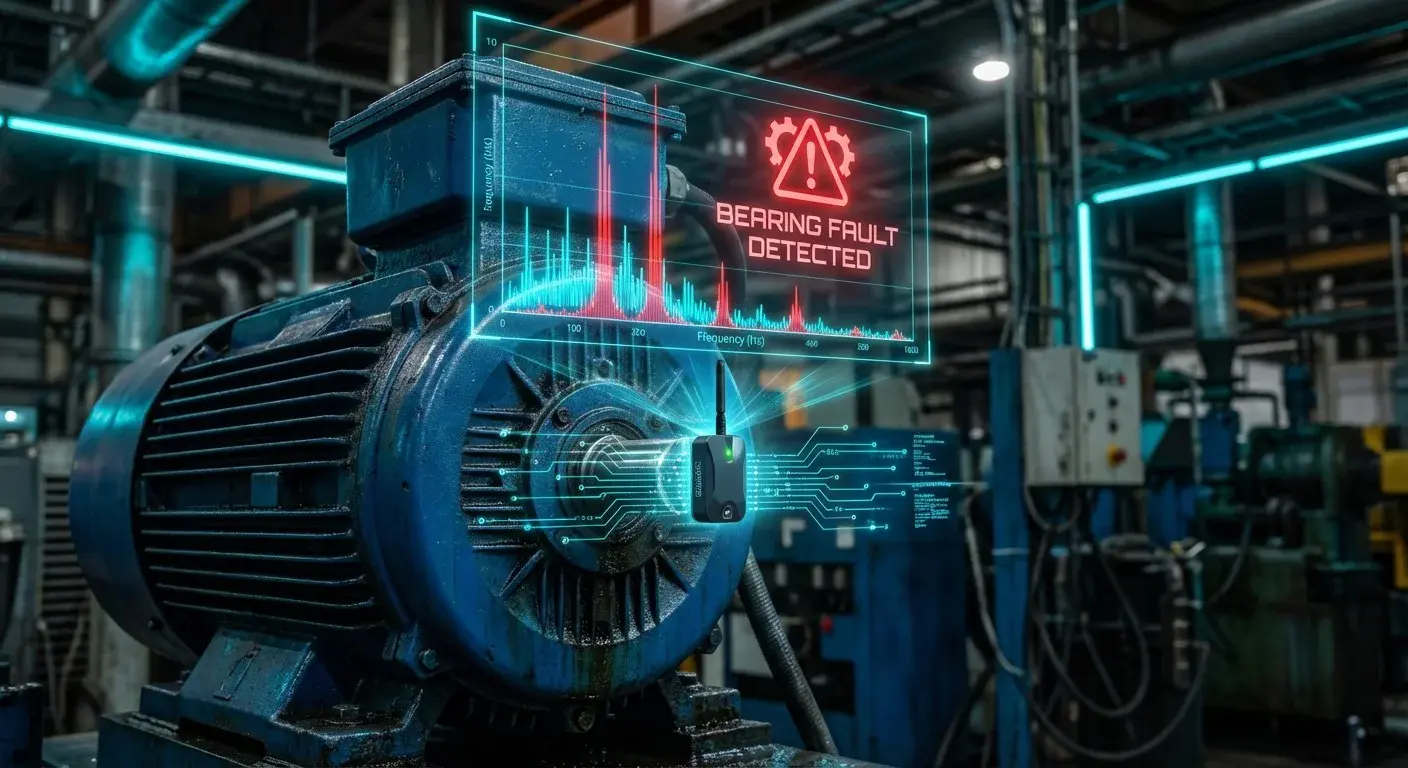
Condition monitoring platforms add vibration, temperature, and current sensors to catch mechanical degradation before failure. They're the real bridge to predictive maintenance, but many market solutions ship raw telemetry straight to the cloud, creating latency and bandwidth costs that scale poorly as you add sensors.
3. Reliability Centered Maintenance (RCM) with Edge AI
The most mature approach combines condition monitoring with edge processing: AI models run next to the machine, not in a remote data center. This is what turns "we saw an anomaly 20 minutes ago" into "we detected it and generated the work order in milliseconds" — the difference between saving a motor and replacing it.
Try iGromi CMMS
Manage work orders and predictive alerts without relying on paper.
Comparison #
- Traditional cloud CMMS: Good for crew organization and regulatory compliance. Weak on real prediction and in plants with unstable connectivity.
- Standalone condition monitoring: Good for catching vibration/temperature anomalies. Weak on work order management — usually needs to be integrated with a separate CMMS.
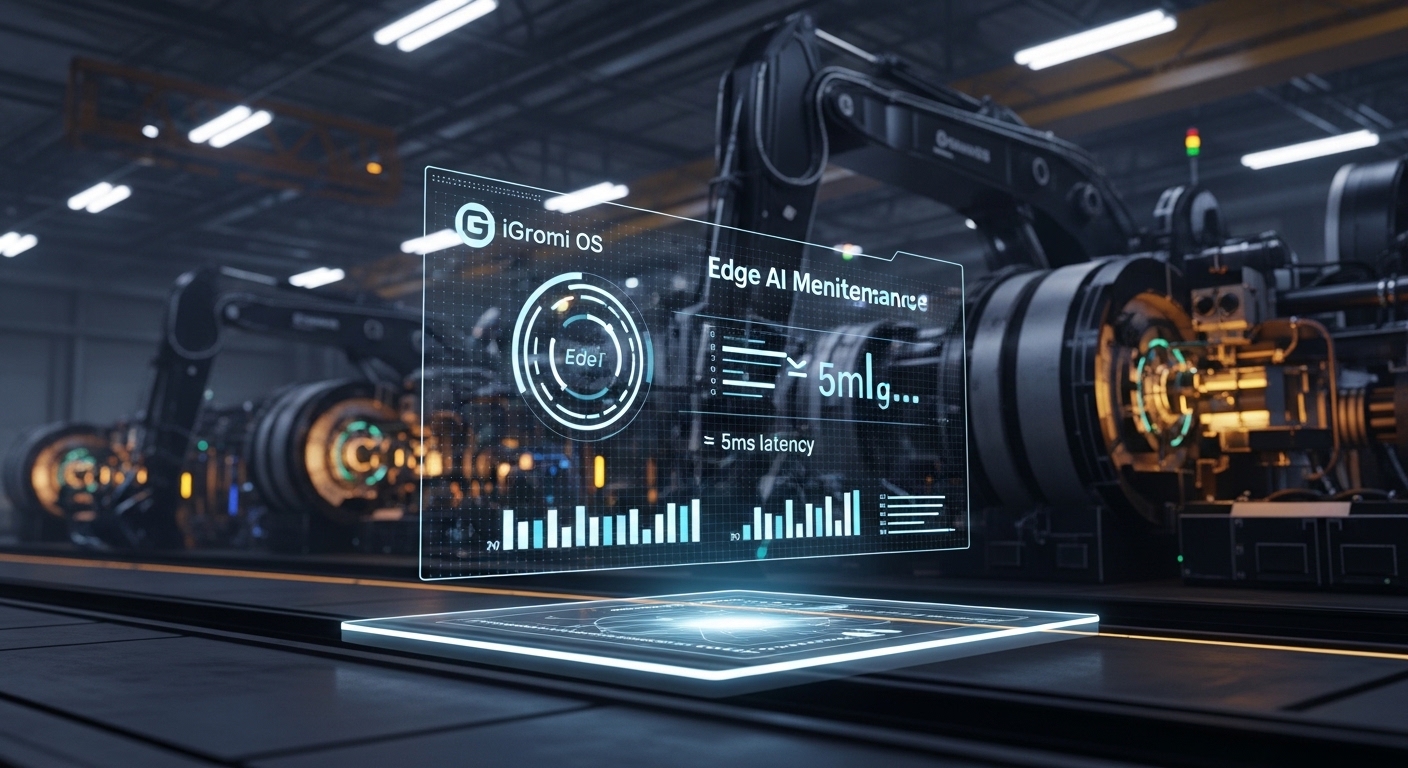
- iGromi OS (unified CMMS + Edge AI): Combines both layers in a single Local-First architecture: the Edge detects the anomaly, automatically generates the work order, and everything is logged for reliability audits — without depending on the cloud to operate.
Why latency decides the outcome #
Measuring vibration at 10kHz and streaming every sample to a cloud server isn't viable — the plant's internet collapses long before the alert arrives. iGromi processes the signal locally on the Edge Gateway, right next to the PLC, and only pushes the already-interpreted event to the cloud (not the raw noise). That reduces real MTTR, not just the number on a slide.
Conclusion #
If your plant already has a CMMS but is still reacting after failures happen, the problem isn't the work-order software — it's the missing condition monitoring + Edge AI layer that closes the loop. Schedule a demo with iGromi and compare your current architecture against a system that decides in milliseconds, not weekly reports.