How to Structure a Preventive Maintenance Program
A poorly designed preventive maintenance program causes almost as much downtime as having none at all. We break down the 5 components every program needs, and why the final step — closing the loop with real data — is the one almost nobody implements.


Hassle-free automation?
Checklist: 10 Steps to Digitize Your Plant
Avoid costly implementation errors
Why most preventive maintenance programs fail #
A Preventive Maintenance Program isn't a list of scheduled tasks — it's a system. Most plants confuse "having a plan" with "having a program," and that difference is what separates plants with high Operational Reliability from ones still stuck firefighting.
Try iGromi CMMS
Manage work orders and predictive alerts without relying on paper.
The 5 components of a real program #
1. Critical asset inventory
Before scheduling anything, you need to decide WHAT actually deserves preventive maintenance. Not all equipment needs the same treatment — a motor that stops the entire line if it fails isn't the same as a redundant pump. Classifying by criticality (production impact, safety, spare part cost) prevents wasting crew hours on low-risk equipment.
2. Data-driven frequency, not a generic calendar
The most common mistake: copying the manufacturer's recommended frequency without adjusting it to your plant's actual conditions. A motor in an abrasive dust environment needs more frequent attention than the same motor in a clean environment. Without condition monitoring data, this is a guess; with vibration and temperature sensors, it's a calculation.
3. Standardized work orders
Every preventive maintenance task needs a written procedure — not reliance on the most senior technician's memory. This is what a CMMS solves: checklist, estimated time, required parts, and a record of what was found.
4. Backlog management
A preventive maintenance program that generates more work orders than the crew can execute isn't a program — it's a wish list. Tracking backlog (pending work orders) month over month reveals whether the program is realistic or needs more staff, more outsourced frequency, or a smaller scope.
5. The step almost nobody does: closing the loop with real data
This is the difference between real TPM (Total Productive Maintenance) and a paper program: every time a preventive task runs, you need to log what was actually found. If the part scheduled for replacement was still in good shape, that frequency is overestimated. If advanced wear was found earlier than expected, it's underestimated. Without this feedback loop, the program never improves — it just repeats.
Where Edge AI fits in #
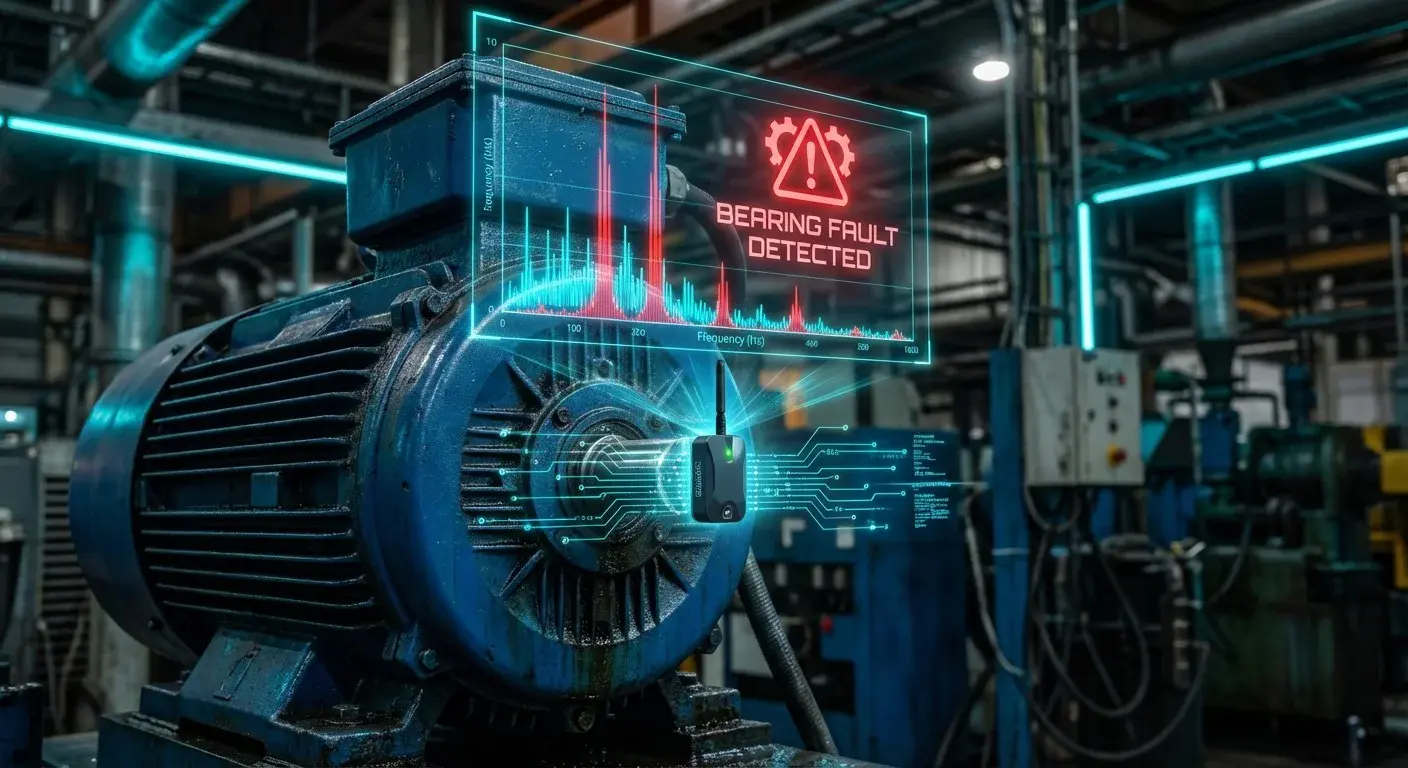
Steps 2 and 5 benefit the most from sensors and edge processing: instead of waiting for the next manual inspection round to know if a bearing is degrading, an Edge AI Gateway continuously analyzes vibration and temperature and automatically adjusts when the next intervention is actually needed — closing the feedback loop in real time, not at the next quarterly audit.
Conclusion #
A well-structured Preventive Maintenance Program doesn't eliminate failures — it makes them predictable. If your plant already has a CMMS but the backlog keeps growing, the problem probably isn't the software: it's the missing step 5. Schedule a demo with iGromi to see how Edge AI closes that loop automatically.