Artificial IntelligenceSep 8, 2026
Industrial Knowledge Management With AI
Why a plant's knowledge walks out with the shift, how to capture, structure and verify it, and how AI turns it into a memory that people and agents can query without giving up human control.
The knowledge that leaves at six in the evening #
In every plant there is someone who knows why packaging machine 3 jams on Mondays, which supplier actually answers on a Saturday and what adjustment to make when the resin lot changes. That knowledge is not in the SCADA, the ERP or the CMMS. It is in that person's head, and it leaves with them at the end of the shift, on vacation or for another company. Knowledge management is the discipline that keeps the operation from depending on that.
Industry spent decades capturing data: sensors, historians, MES. It captured telemetry, not context. The result is a plant drowning in data and blind to the why of things.
What it is and what it is not #
Managing knowledge is not having a tidy shared folder. It is closing a four-step loop:
- Capture what today lives in emails, meeting notes, WhatsApp, spreadsheets and people's experience.
- Structure: link each piece to the machine, line, customer or decision it belongs to.
- Verify: have a responsible person say "this is correct and valid until such a date".
- Deliver: make sure whoever needs it, person or agent, finds it in seconds and with its source.
The four sources almost nobody connects #
- Documents: manuals, datasheets, procedures, contracts, price lists.
- Conversations: meeting notes, email threads with customers and suppliers, agreements made in the field.
- Systems: CRM, ERP, CMMS. They know who, how much and when, but not why.
- Machines: signals from PLCs, cameras and sensors. They are the only source that does not lie, and the one least connected to the other three.
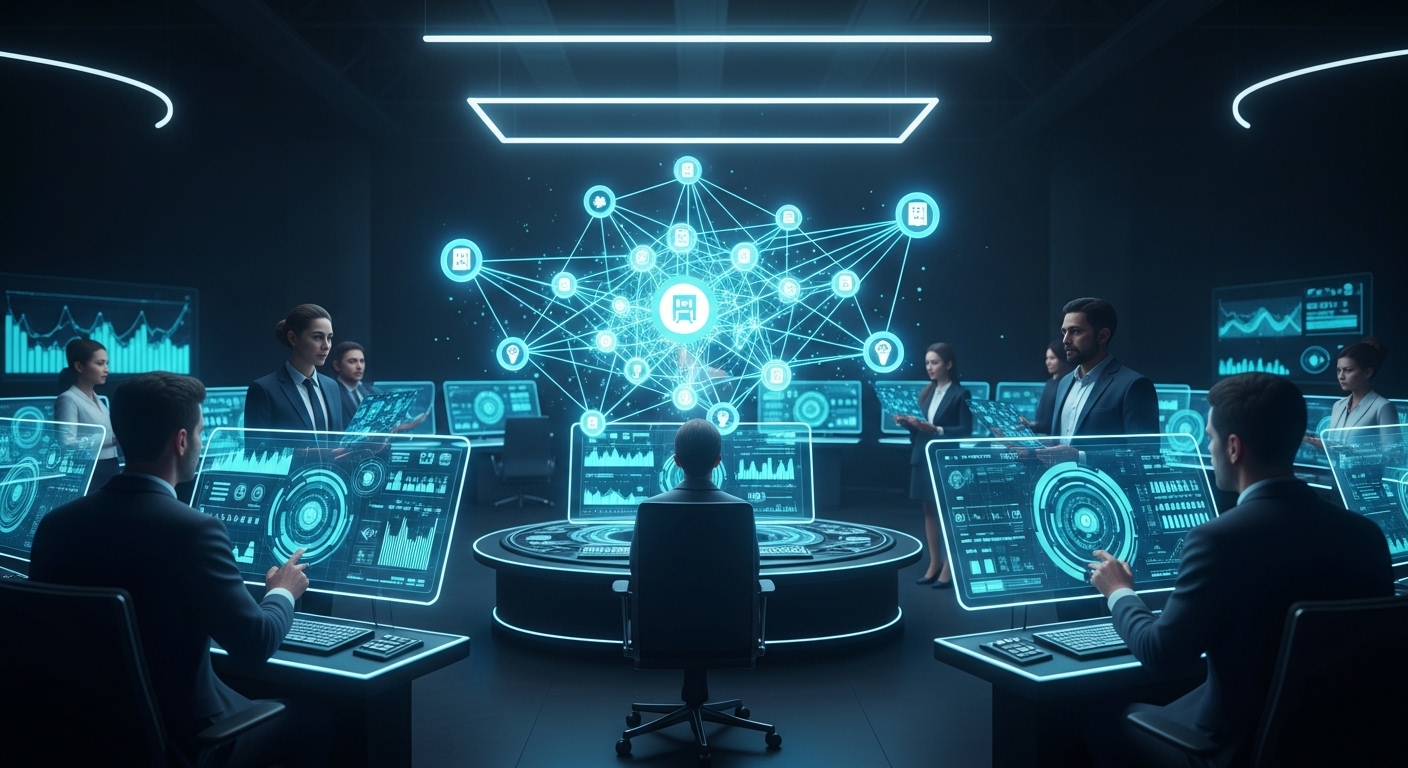
When these four are connected, something new appears: you can ask "what did we sell this customer, what did we install, what failed and what did we promise at the last meeting?" and get a single answer with evidence.
What changes with AI #
Language models do three things that used to be impossible at scale: read everything the company produces, extract entities and relationships from it, and answer questions in natural language. The base technique is called RAG: the model searches the company's own base before answering. On top of it, a knowledge graph keeps explicit relationships between machines, documents, people and events.
What AI should not do is reorganize the memory on its own. A model that reclassifies documents, merges entities or marks prices as current without anyone approving it is a source of expensive errors that look like order. In our Second Brain, AI proposes categories, relationships and summaries, and they sit in a review queue until a person accepts them.
Governance: the signals that make the base reliable #
Every piece of knowledge needs four labels to be used without risk:
- Owner (which company or unit it belongs to; they are never mixed).
- Access level: public, team, commercial and customer, or restricted.
- State: unreviewed archive, uploaded draft, verified by a person, or in conflict with another source.
- Validity: until when it holds. An expired price list is not delivered, even if it is the only one there is.
With those labels, the operating rule is simple: for prices, commercial terms and field procedures, answer only with verified, current sources; if there are none, say so. It is less flashy than a chatbot that always answers, and it is the only thing that works for quoting or for guiding someone standing in front of an electrical panel.
Two workflows where it pays for itself #
- Quoting. The agent retrieves what is sold, at what price and on what terms, all verified; builds the quote with every figure cited; looks up the contact in the CRM and leaves it ready to send. What used to take an afternoon of searching emails takes minutes. How much autonomy to give that agent is explained in autonomous AI agents in the plant.
- Field work. Before telling the person in front of the equipment anything, the copilot retrieves the installation procedure: sensor, voltage, protocol, antenna frequency. If the procedure is not verified, it says so, and it does not improvise.
Where to start #
Not with the tool. Start with a list of the ten questions asked most often in your operation that today are answered by "asking Juan". For each one, identify the source that should answer it, who owns it and how long it has been out of date. That list is your first load batch. When those ten questions are answered with evidence, connect the next source. To see how this connects to the plant floor, continue with agentic AI in manufacturing.
Frequently asked questions #
What is knowledge management in an industrial company?
It is the process of capturing, structuring, verifying and making available what the organization knows: procedures, equipment history, decisions, prices and staff experience, so that it does not depend on one person's memory or get lost when the shift changes.
What is the difference between knowledge management and document management?
Document management stores files in order. Knowledge management connects what those files say with machines, people, events and decisions, and keeps it current and verified so it can be queried and acted on.
How does artificial intelligence help knowledge management?
It allows natural-language queries, extracts entities and relationships from documents and machine data, proposes categories and summaries, and feeds agents that prepare quotes or assist in the field. The condition is that a person approves what the AI proposes.
Context: this article is part of the industrial artificial intelligence guide: what it is, where it applies and four cases in production in Chile.
Topics
- industrial knowledge management
- knowledge management ai
- manufacturing knowledge management
- knowledge capture
- ai knowledge base
- tribal knowledge manufacturing
- knowledge graph

About the author
Víctor RuzCEO
Automation and Robotics Engineer (Universidad Andrés Bello, 2012). More than twelve years in robotics and industrial automation. Founder and CEO of iGromi, where he connects machines, systems and plant people with secure industrial AI.